Category:
SupplementsOzempic for Weight Loss: Risks and Side Effects
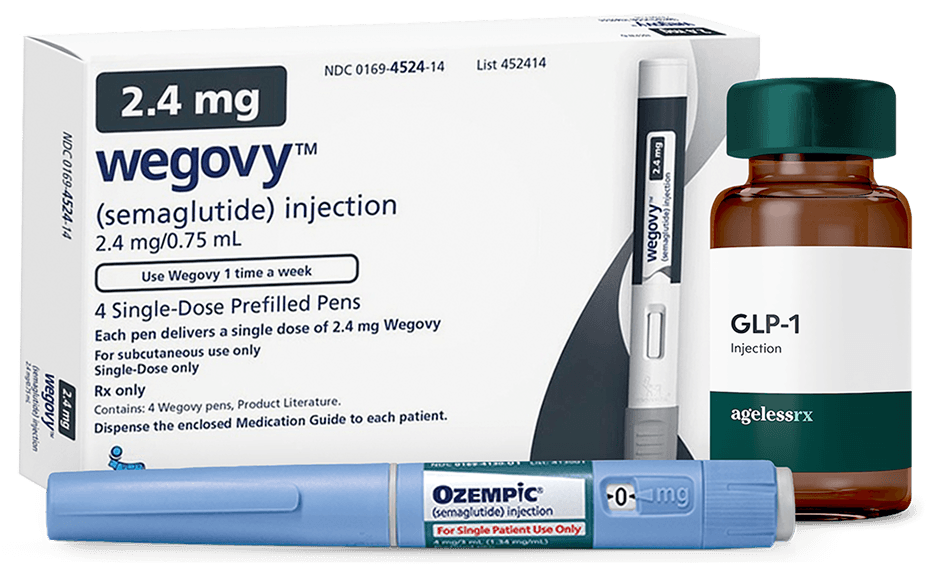
Semaglutide—sold under the brand names Ozempic and Wegovy—has become one of the most talked-about medications in modern weight management. 💉 While headlines often frame it as a quick solution, the reality is more nuanced. Ozempic for weight loss can offer benefits in specific medical situations, but it also comes with risks, side effects, overdose concerns, and important mental health considerations.
Semaglutide is an injectable medication prescribed to help manage blood sugar levels in people with type 2 diabetes who have not responded well to other medications. It may also be prescribed to reduce the risk of heart attack or stroke in people with type 2 diabetes and a comorbid cardiovascular condition. In some cases, Ozempic is used alongside a medically supervised eating and exercise program to help individuals with diabetes, high cholesterol, or high blood pressure lose weight.
Because public interest is growing fast, it is essential to understand not just the benefits, but also the broader health implications—especially for people vulnerable to disordered eating.
What Is Ozempic and How Is It Used? 🩺
Ozempic and Wegovy both contain semaglutide, a medication in the class of glucagon-like peptide-1 (GLP-1) receptor agonists. These medications work in part by:
- Increasing feelings of fullness
- Slowing stomach emptying
- Reducing appetite
- Helping regulate blood sugar
The FDA approved Wegovy for weight loss in adults who have certain comorbid conditions, such as high cholesterol, type 2 diabetes, or high blood pressure. That distinction matters, because not everyone seeking weight loss is an appropriate candidate for semaglutide.
Although Ozempic for weight loss may benefit some people with a documented medical need, using prescription medication solely to pursue thinness raises ethical and clinical concerns. It can medicalize body size without addressing deeper factors such as weight stigma, anti-fat bias, and the impact of diet culture.
Risks of Taking Ozempic for Weight Loss ⚠️
One of the biggest concerns around Ozempic for weight loss is how it is being used outside of its intended clinical context. Social pressure, celebrity endorsements, and viral social media content have all helped position semaglutide as a “miracle” drug. But that narrative can be misleading.
Potential risks include:
- Using the medication without proper medical supervision
- Ignoring underlying causes of weight changes or eating behaviors
- Reinforcing harmful beliefs about body size
- Triggering or worsening disordered eating patterns
- Contributing to weight cycling, since research suggests weight regain is common after stopping the medication
For some individuals, especially those with a history of anorexia nervosa, bulimia nervosa, or binge eating disorder, semaglutide may be misused because it suppresses appetite and lowers caloric intake. That can be especially dangerous for people already restricting food.
Possible consequences of undernutrition include:
- Reduced muscle functioning
- Electrolyte disturbances
- Reduced kidney functioning
- Chronic gastrointestinal issues
- Colon malfunctioning
- Increased risk of infection
- Depression and anxiety
These are not minor concerns. In vulnerable individuals, the pursuit of weight loss can escalate into serious physical and psychological harm.
Side Effects of Ozempic 💊
Like any prescription medication, semaglutide can cause both common and serious adverse effects. Many of the most common Ozempic side effects are gastrointestinal.
Common side effects
These may improve over time as the body adjusts:
- Nausea
- Vomiting
- Diarrhea
- Constipation
- Stomach pain
- Headache
- Excessive burping
- Heartburn
- Fatigue
- Flatulence
- Gastroesophageal reflux disease (GERD)
Even when these side effects are not life-threatening, they can significantly affect quality of life and make it difficult to maintain adequate nutrition and hydration.
Serious side effects
Some reactions require prompt medical evaluation:
- Vision problems
- Swelling in the hands, feet, or legs
- Dizziness or fainting
- Reduced urination
- Rash
- Rapid heart rate
- Swelling of the throat, tongue, mouth, face, or eyes
- Trouble swallowing or breathing
- Fever
- Yellow eyes or skin
- Persistent upper stomach pain
Wegovy may also be associated with additional severe risks, including:
- Retina damage
- Suicidal ideation
- Gallstones
- Pancreatitis
- Acute kidney damage
Another important warning: semaglutide may increase the risk of thyroid tumors, including medullary thyroid carcinoma. Anyone taking this medication should discuss symptoms and family history with a qualified healthcare provider.
Can You Overdose on Ozempic? 🚨
Yes—it is possible to overdose on Ozempic.
The maximum recommended dose of Ozempic is 1 mg injected once per week. Taking too much, injecting it too often, or combining it with another GLP-1 agonist can raise the risk of overdose and dangerous complications, including hypoglycemia (low blood sugar).
Signs of low blood sugar
Watch for symptoms such as:
- Dizziness
- Weakness
- Confusion
- Irritability
- Anxiety
- Excessive sweating
- Trembling
- Rapid heartbeat
- Hunger
Severe hypoglycemia can cause:
- Vision problems
- Poor coordination
- Extreme confusion
- Seizures
If you suspect an Ozempic overdose, call 911 immediately and stay with the person until emergency responders arrive. Because Ozempic has a half-life of about one week, monitoring and treatment may need to continue for an extended period.
The Link Between Ozempic and Disordered Eating 🧠
The connection between Ozempic for weight loss and disordered eating deserves serious attention.
These medications are now highly visible in commercials, celebrity interviews, entertainment media, and TikTok trends. Public figures such as Elon Musk, Chelsea Handler, and Kim Kardashian have helped fuel interest by discussing weight loss drugs openly. This media environment can intensify body dissatisfaction and make extreme weight-control behaviors appear normal or aspirational.
For people with eating disorders—or those at risk—this can be deeply triggering.
Why this matters
Research suggests that media exposure and the glorification of weight loss methods can increase the risk of:
- Restrictive eating
- Obsessive calorie control
- Fear of weight gain
- Purging behaviors
- Misuse of prescription medications
Some people unable to obtain a prescription may even try to purchase semaglutide through social media or unauthorized sellers. That is especially dangerous because the contents, dosage, and safety of those products cannot be verified.
There is also a clinically important overlap between type 2 diabetes and eating disorders. Research indicates that binge eating disorder (BED) occurs in up to 20% of people with type 2 diabetes. In those cases, semaglutide may change appetite or body weight, but it does not address the emotional, behavioral, or psychological drivers of binge eating.
In other words, medication may alter symptoms on the surface without treating the root issue.
Why Weight Loss Alone Is Not the Full Answer
A professional discussion about Ozempic for weight loss should also acknowledge that there is no single “healthy weight” that applies to everyone. Likewise, BMI is not a fully accurate measure of health.
Focusing only on weight can:
- Oversimplify health
- Reinforce stigma toward people in larger bodies
- Miss signs of eating disorders
- Delay appropriate mental health treatment
For some individuals, repeated weight loss attempts followed by regain can lead to weight cycling, which may be physically and emotionally distressing. If semaglutide is stopped and weight returns, the person may feel shame, panic, or pressure to pursue more extreme methods.
That is why a comprehensive approach matters—one that considers medical health, nutrition, mental health, and body image together.
When to Seek Help for an Eating Disorder 🤝
If you or someone you know is becoming preoccupied with avoiding weight gain, losing “excess weight,” or using medications to suppress appetite, it may be time to speak with a professional.
Warning signs can include:
- Obsessive thoughts about food, calories, or body size
- Extreme fear of weight gain
- Skipping meals or chronic restriction
- Binge eating episodes
- Purging behaviors
- Misusing supplements or prescription drugs for weight control
- Increased anxiety, depression, or isolation around eating
Treatment can help address the underlying causes of disordered eating—not just the visible symptoms. Depending on individual needs, support may include:
- Outpatient therapy
- Nutrition counseling
- Virtual treatment programs
- Intensive outpatient care
- Inpatient or residential treatment
The goal is not simply to stop behaviors, but to rebuild a healthier relationship with food, body image, and self-worth.
Final Thoughts on Ozempic for Weight Loss
Ozempic for weight loss is not a simple wellness trend—it is a prescription medication with legitimate medical uses, meaningful side effects, overdose risks, and important implications for people with eating disorders or disordered eating patterns.
For the right patient under medical supervision, semaglutide may be helpful. But it is not a cure-all, and it should never replace a thoughtful evaluation of physical health, mental health, and the impact of diet culture. ✨
If weight loss medications are part of the conversation, they should be discussed in a broader care plan that also considers nutrition, emotional well-being, and long-term health—not just the number on the scale.
Related medications often discussed in weight management
- Naltrexone (Vivitrol, Revia)
- Topiramate (Topamax)
- Orlistat (Alli, Xenical)
- Phentermine (Adipex-P, Lomaira)
- Bupropion (Wellbutrin, Zyban)
- Metformin (Fortamet, Glumetza)
- Tirzepatide (Mounjaro)
- Diethylpropion (Tenuate)
- Zonisamide (Zonegran)
If you are concerned about Ozempic side effects, overdose, or the relationship between semaglutide and disordered eating, the safest next step is to consult a qualified medical and mental health professional.